




Across the globe, small-scale farming is facing an unprecedented threat. Inhabitants of small, ancestral plots of land are increasingly turning away from farming, lured by the allure of more stable incomes in alternative professions. The reliability and accessibility of regular paychecks have made farming seem less enticing, leading to a gradual erosion of skills and traditions that have been passed down through generations.
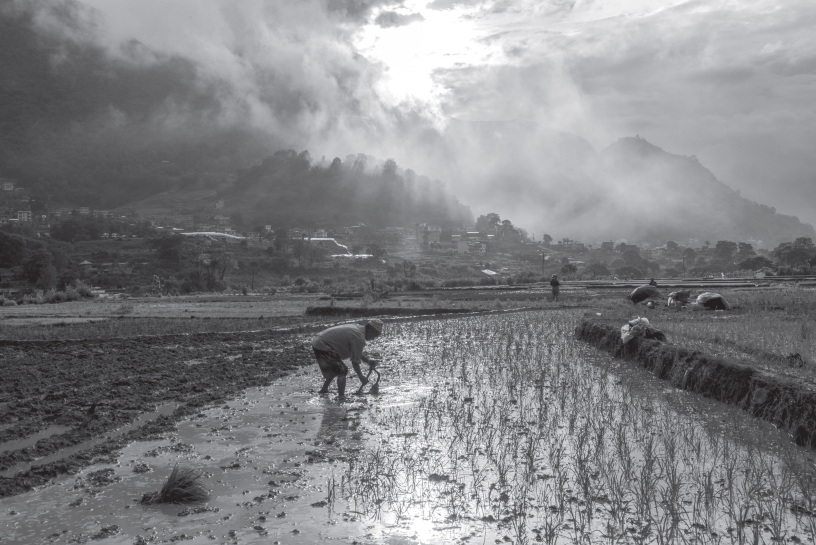
In Kathmandu Valley, home to some of Nepal’s most fertile lands, this alarming trend is taking hold. The traditional way of life, deeply connected to the land, is being forsaken in favor of concrete houses, driven primarily by the looming threat of government land acquisition and the desire for fair compensation to avoid future hassles.


Paradoxically, despite the universal need for sustenance, farming remains one of the most challenging and underappreciated professions in our society. A dwindling number of individuals are now involved in agriculture, underscoring the urgency of documenting their struggles and finding innovative ways to inspire the next generation of farmers. Advocating for direct government subsidies to support these farmers is paramount to preserving this time-honored craft.
The disappearance of diverse rice varieties is a poignant consequence of fertile lands being overtaken by concrete structures. As more farmers pursue education and alternative career paths, agriculture suffers from neglect. The repercussions of this neglect may not be immediately apparent, but they will manifest in coming generations as traditional techniques, knowledge, and the very spirit of farming fade away. What remains of these invaluable assets may eventually render the nation reliant on others for its food security.


Nepal faces another pressing issue: nearly eighty percent of its food supply comes from India, both in raw and packaged forms. The gradual transformation of the food production culture in Kathmandu Valley’s fertile lands has largely gone unnoticed. This heavy dependence on imports poses a significant threat to the nation’s food security and self-sufficiency.
It is imperative to recognize and address these challenges before the rich tapestry of farming traditions, knowledge, and self-reliance is lost to the sands of time, leaving future generations dependent on foreign sources for their sustenance.
www.anilranphoto.com