

Nepal’s Terai region is famous for its thriving farms and industries. Yet, it faces its own set of challenges. One big concern is the migration of workers from Bangladesh and India to Nepal’s brick factories. This story looks closely at these workers’ lives, their struggles, and how the brick industry affects the environment.
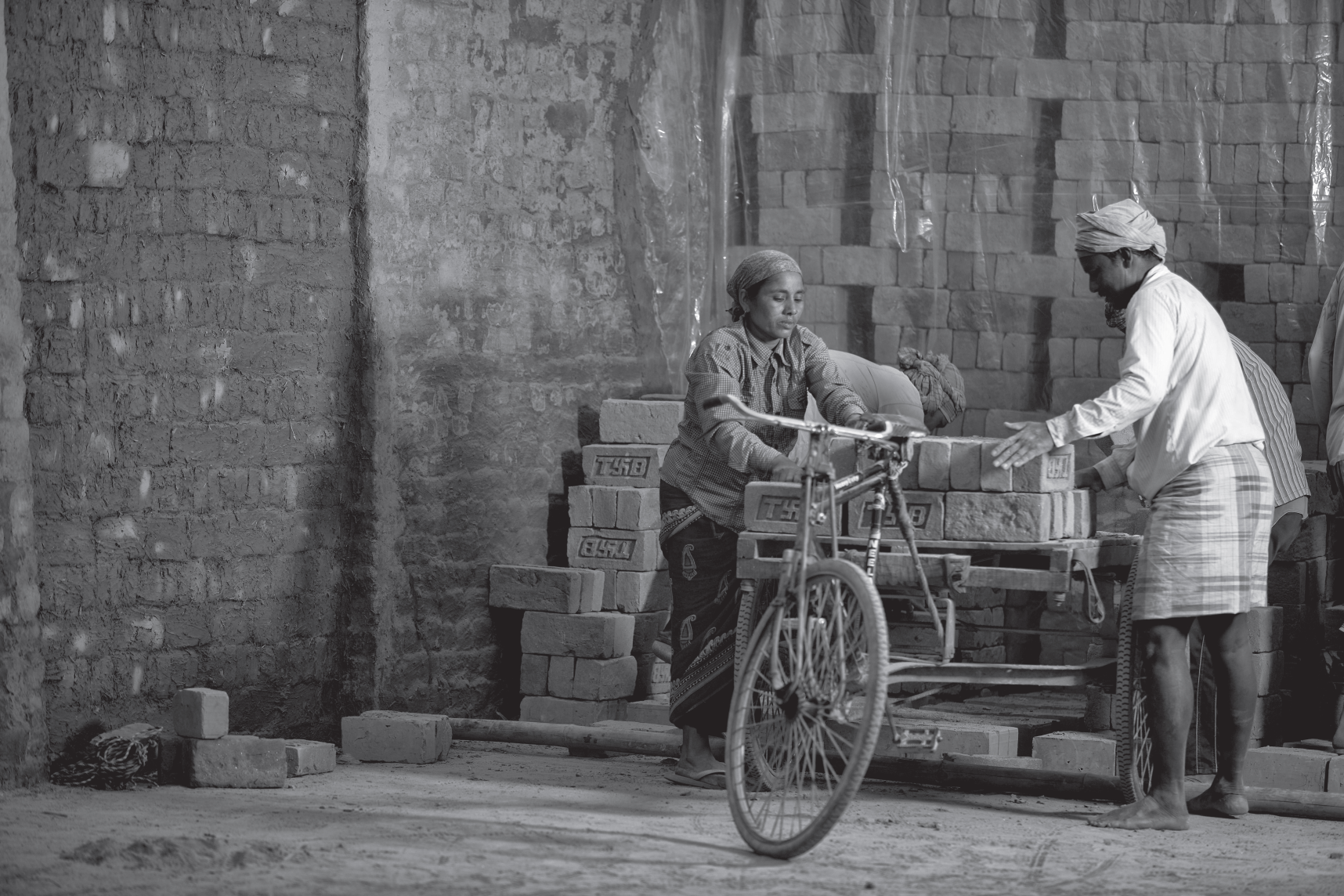
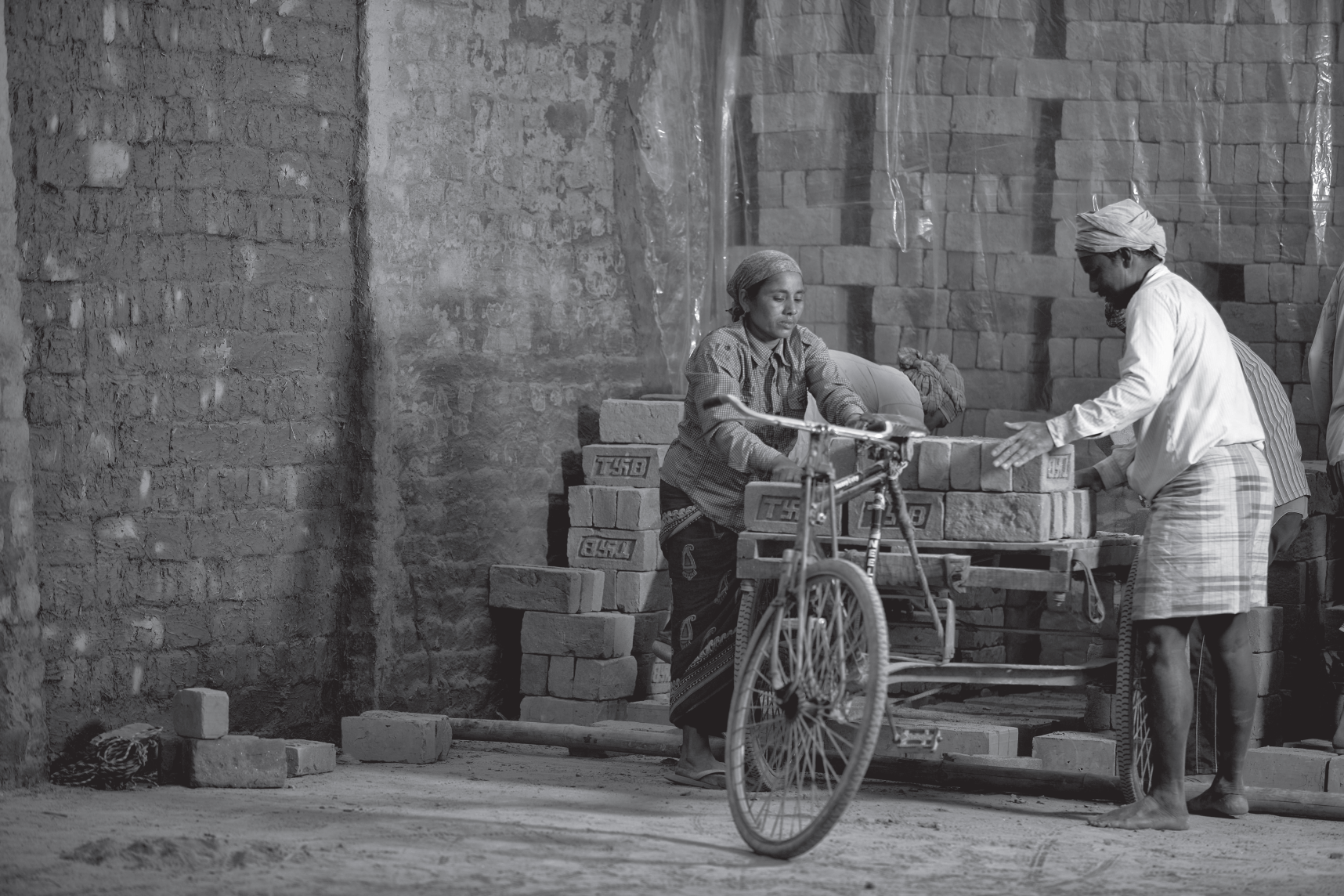
Brick factories are bustling places, with workers from different backgrounds working together to make bricks that build homes and more. Some of these workers have traveled from far-off places, even living in small spaces with their families. The work is tough, done in high temperatures without proper safety gear. But these workers are thankful for the chance to support their families.
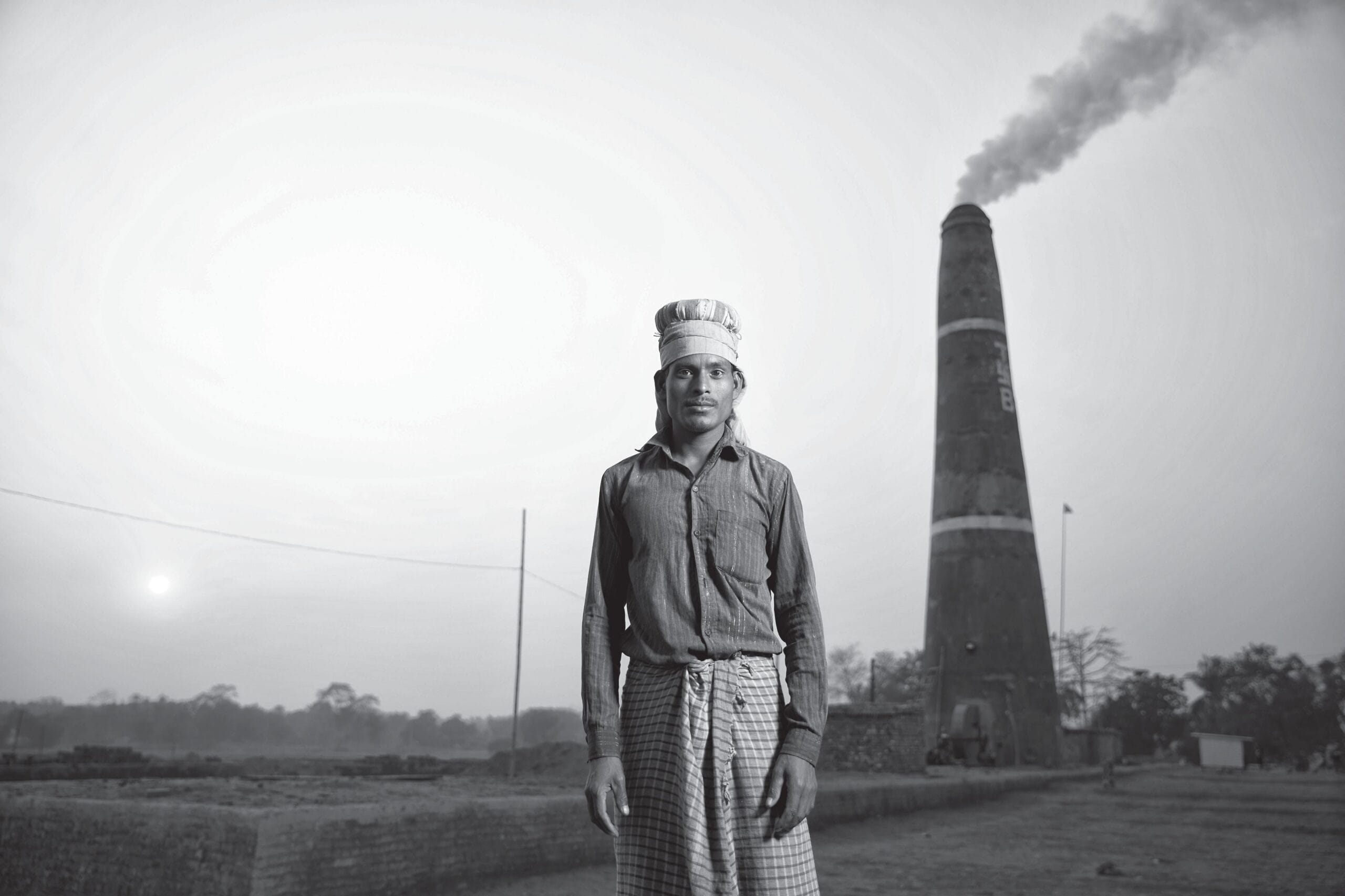
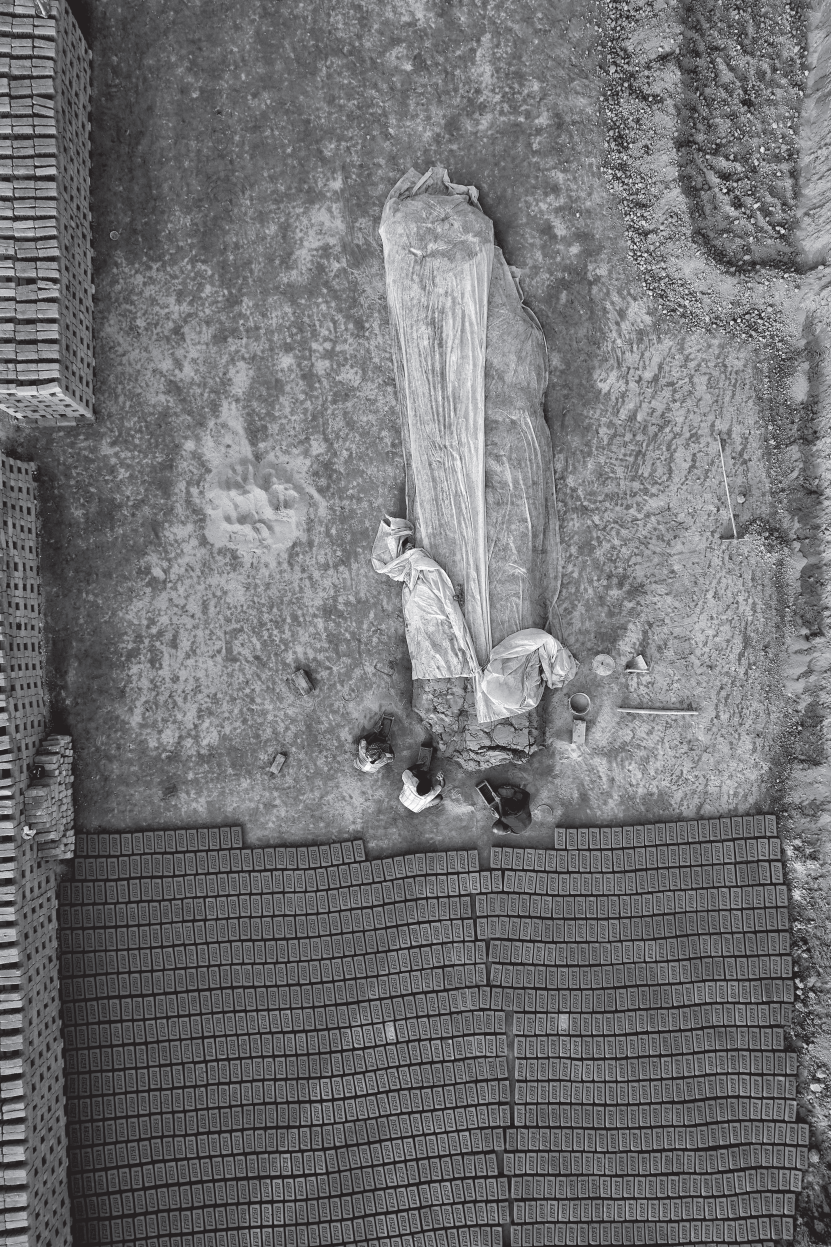
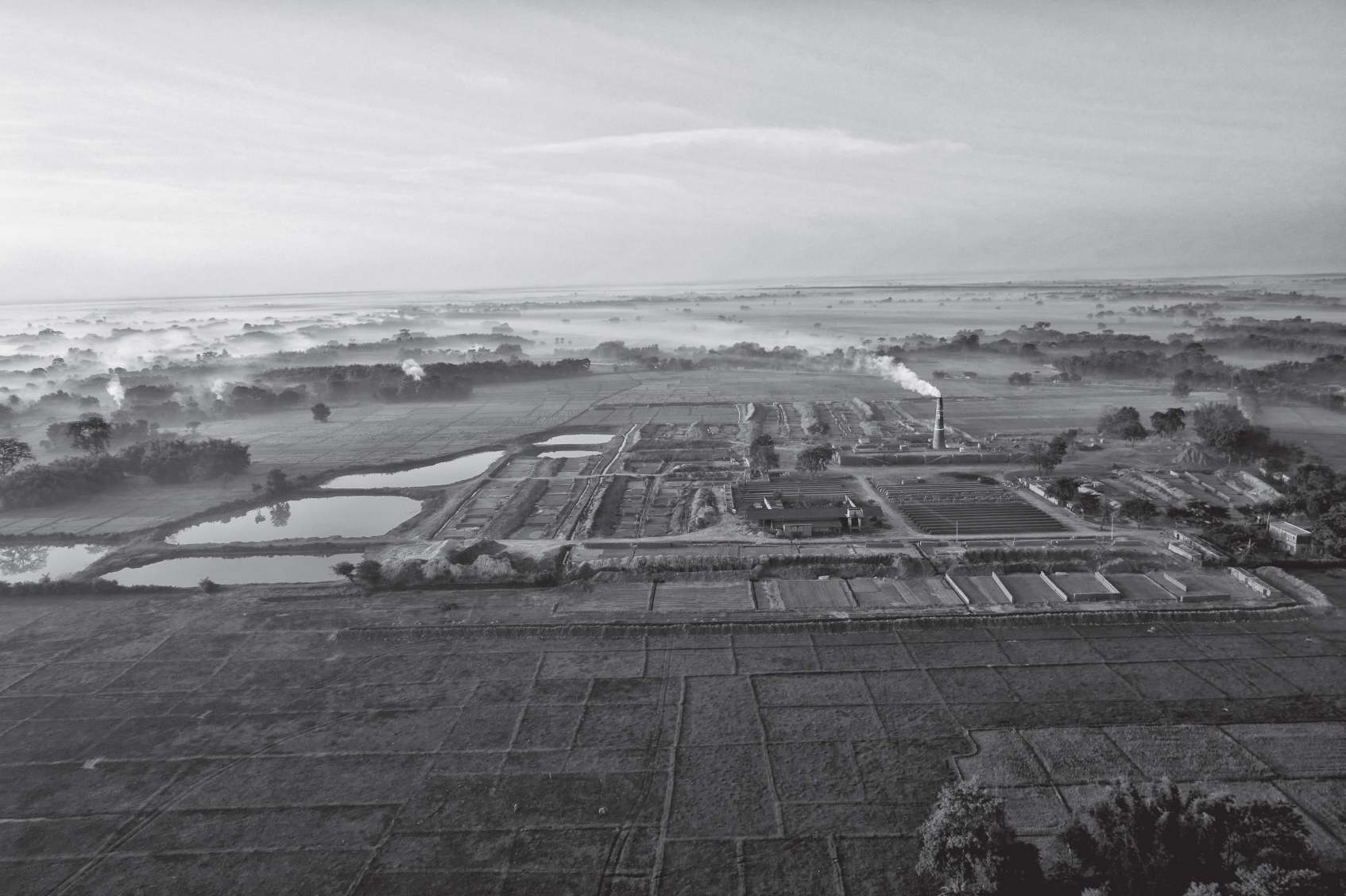
The brick industry is important for Nepal’s economy, but it also harms the environment. Making bricks involves burning coal and wood, releasing harmful gases into the air. The smoke from these kilns pollutes the atmosphere, affecting both workers and nearby communities. Digging up clay for bricks damages nature as well, causing soil erosion and harming plants and animals.
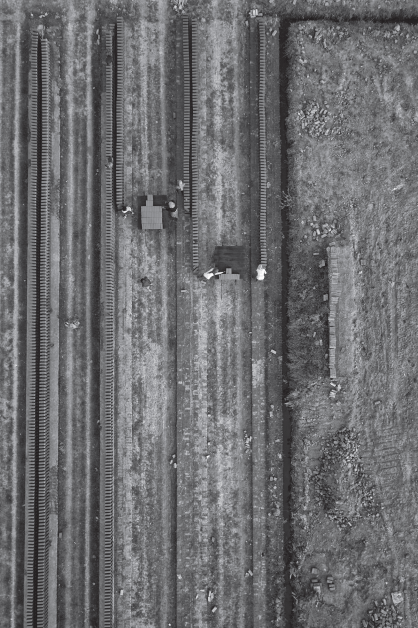
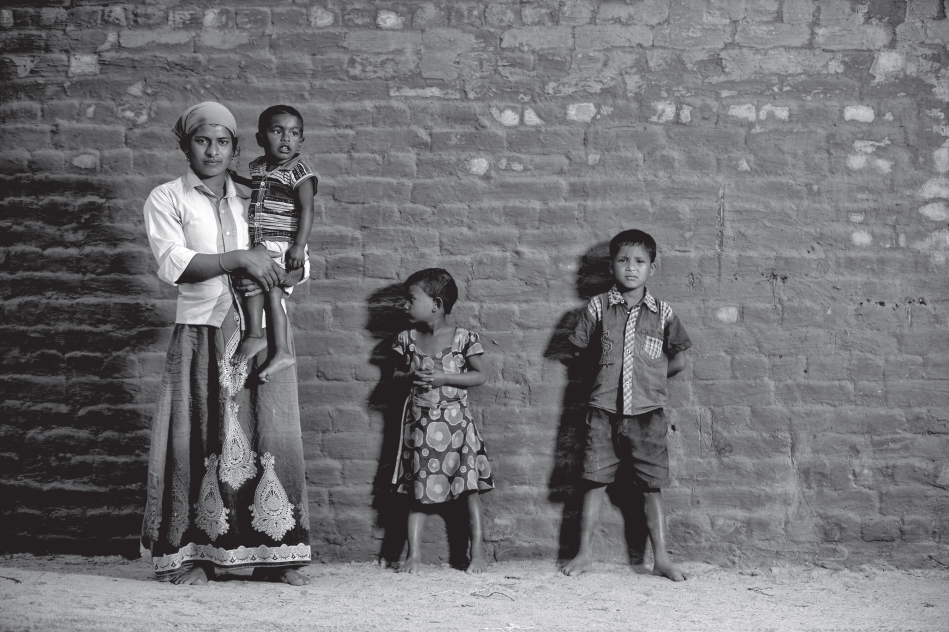
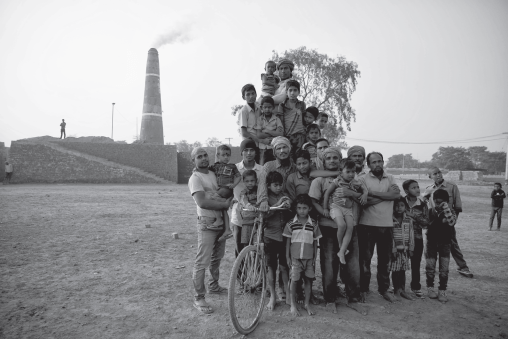
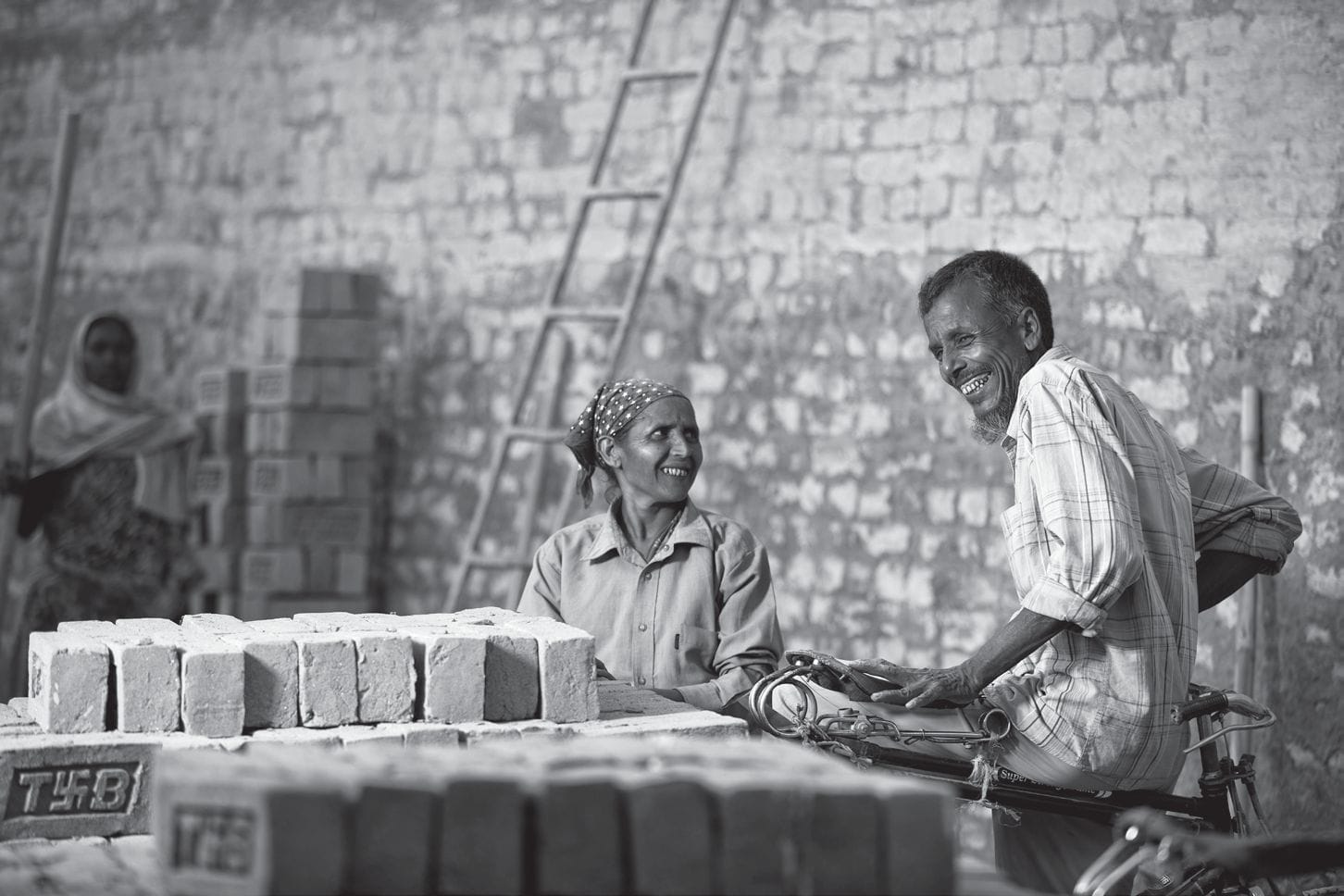
The migration of workers to Nepal’s brick factories raises questions about fairness, wages, and environmental responsibility. The story of these workers is one of strength and survival, as people from different countries and backgrounds come together to overcome the challenges of poverty, relocation, and unfair treatment.
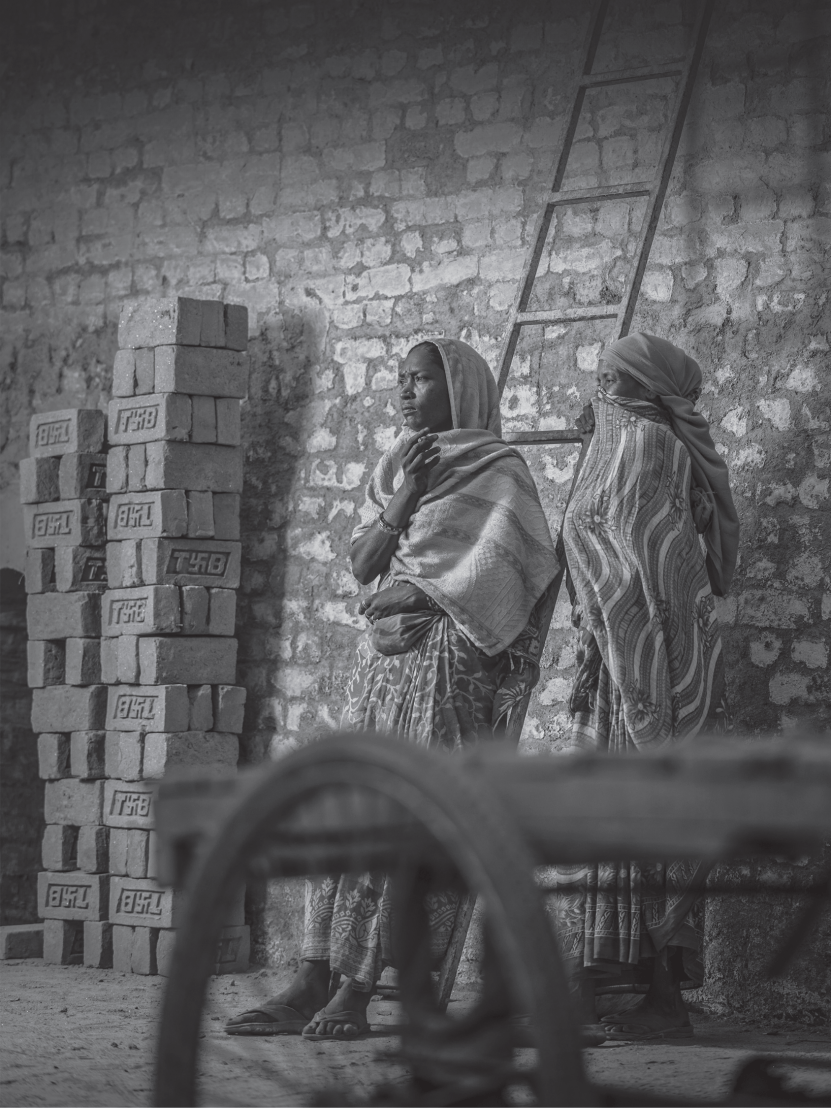
However, the brick industry’s impact on the environment cannot be ignored. Urgent action is needed to develop cleaner and more sustainable methods of brick production. This story highlights both the human experiences and environmental consequences of Nepal’s brick industry, aiming to spark conversations about ways to improve conditions for workers, communities, and the planet.
All photos in this article are credited to: Gautam Dhimal